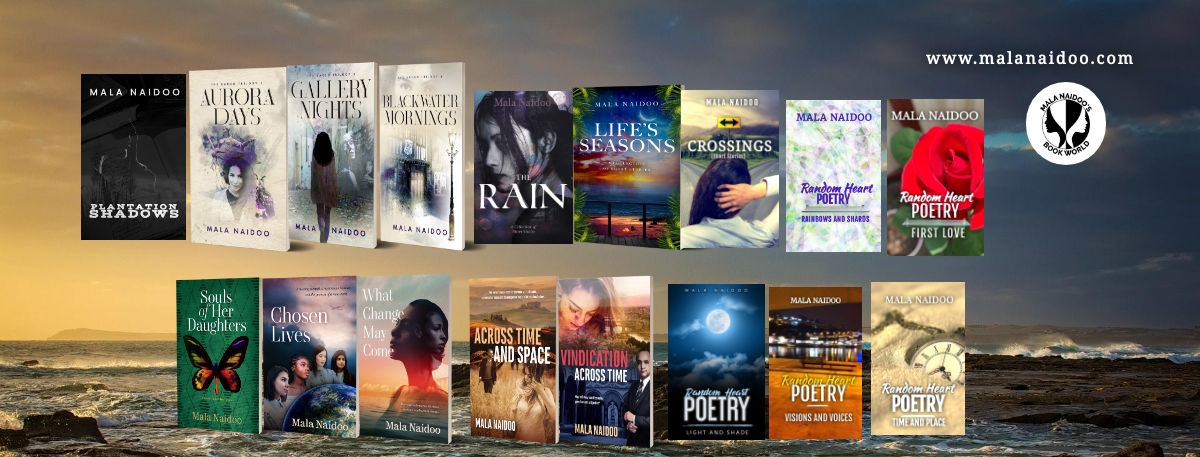
7 Practical Suggestions on Creating a Compelling Sense of Place – Part 3

Writing a compelling sense of place means making the setting feel alive—not just where the story happens, but how it feels to be there in the moment during a significant event or situation, and why it matters. Here are some practical suggestions on ways to do it

  1. Engage more than sight

Strong settings use multiple senses.

  • Sound:distant traffic, buzzing insects, echoing halls
  • Smell:rain on a grassy patch after a hot day, old books, salt in the air
  • Touch:gritty sand, humid air sticking to skin, cold metal
  • Taste  (limit use) :dust in the mouth, bitterness of smoke

Example:

The fan creaked and groaned as if knowing it faced a losing battle against the summer heat.

  1. Filter the place through the character

The setting should reflect who is experiencing it. Two characters in the same place will notice different things.

Consider:

  • What would thischaracter care about here?
  • What makes them edgy, angry, or nostalgic?

Example:

The summer heat made Moira faint, the infernal sun created a cremation site in their backyard. Her cousin, energetic and unaware of the rivers of sweat dripping off him, kicked the ball around the yard multiple times.


  1. Choose specific, concrete details

Make a place believable. Avoid generic words like nicebusy, or beautiful.

Food carts hissed with steam while cyclists threaded through stalled taxis, bells ringing in sharp bursts.

Rather than, ‘it was a busy street.’

  1. Let setting interact with action

Weave the story into what’s happening.

Example:

He shoved the door open, and warm bar air spilled onto the cold sidewalk, carrying laughter and the smell of fried onions.

  1. Use setting to support mood and theme

The place should reinforce the emotional tone of the scene.

  • Tension → narrow spaces, harsh light, noise
  • Calm → open spaces, steady rhythms, soft textures, natural romantic landscapes
  • Isolation → emptiness, distance, silence, derelict buildings

Example:

The field stretched empty in every direction, the sky so wide it made her feel smaller with every step.

  1. Don’t over describe

A few strong details are more powerful than a full inventory.

Rule of thumb:

  • 1–3 vivid details per paragraph is usually enough
  • Let the reader’s imagination do the rest
  1. Make place matter to the story

Ask yourself:

  • Would this scene work just as well somewhere else?
    If yes, the setting might not be pulling its weight.

Ways to make it matter:

  • The place creates obstacles
  • The place holds history or memories
  • The place mirrors change in the character


Subscribe, share and add ideas to help aspiring writers.

← Back

Thank you for your response. ✨

Create Complex Characters as People Who Feel Real – Part 2

Readers don’t fall in love with plots—they fall in love with people. That’s why complex characters are the lifeblood of compelling fiction. They’re the ones who linger in our minds, the ones we cheer for, cry over, or angrily debate with friends.

But what makes a character complex? And how do we write someone who feels less like a cardboard cutout and more like a fully formed human being?


 Give Characters True to Life Contradictions

Humans are walking contradictions. We want love but push people away. We crave success but sabotage ourselves. We believe in honesty but harbour secrets  (Plantation Shadowswhat is Milly’s secret?). These contradictions make characters interesting in their imperfections. Characters must grow from hardship, struggles, loss, etc to become the best versions of themselves. Readers need to identify with real life situations to connect with characters who echo aspects of their own lives.

Consider the following when crafting a complex characer

  • What do they think they want vs. what do they need?
  • What are their competing internal desires?
  • Where does their behaviour conflict with their beliefs, morals, or values?


Create a Backstory on Key Points that Advance the Character’s complexity

Build their history for yourself so you understand:

  • What shaped their worldview
  • Why they react emotionally the way they do
  • What they fear, avoid, or chase

Be selective about what is revealed in the backstory, offer teasers to your reader instead of telling it all. (Plantation Shadows)


Give The Complex Character Agency-Don’t Describe their Personality

Actions speak louder than a long list of adjectives.

Show the reader the inner persona through:

  • Their choices
  • The risks they take
  • What they refuse to do—even when pressured

The character does not have to be aggressive, A passive character can be intriguing if their passivity is a choice, not a default.

Flaws can Hurt the Complex Character and Others

Give characters real, consequential flaws. Flaws are the engine of character-driven storytelling.

Ask:

  • What is their most harmful belief about themselves or the world?
  • How does this flaw sabotage their goals?
  • How does it hurt the people around them?

Flaws that create conflict are flaws that matter— they are signposts to something deeper/larger.


Let The Complex Character Grow, Regress, or Transform

Complex characters are restless. They might outwardly hide their intentions. Slow feed how  they react to events, change their perspectives, and sometimes take a back step before a point of growth.

Explore:

  • Positive arcs(cynical → hopeful)
  • Negative arcs(idealistic → corrupted)
  • Flat arcs(unchanged internally but influential to others)

The character’s internal evolution when shaped by their experiences makes them believable and endearing because the reader has been drawn into their inner world.


Make Relationships Challenge The Character

A character’s interactions with others reveals more about them than any internal monologue.

Mull over:

  • Who pushes their buttons?
  • Who brings out the softness they try to hide?
  • Who forces them to confront truths they’d avoid alone?

Dynamic relationships create dynamic characters.


Mystery, Ambiguity, and Private Thoughts

You don’t have to reveal everything about a character immediately. People hold secrets—from others and from themselves. Let readers uncover the layers gradually. (Plantation Shadows – who holds a generational secret?)

A character is compelling when some of the interpretation is left to the reader.


Empathy

Complex characters when discovered, come alive through empathy. When a character is crafted as a person with their own desires, wounds, contradictions, and agency, the story deepens naturally. Allow them to surprise you, frustrate you, and challenge your drafting of their lives.

Look at the world around you, it abounds in complexities, and contradictions that carry the potential for growth, transformation, or regression—that makes characters human.

Make your complex character, live.

 Share ideas to grow  aspiring writers’ skills.

← Back

Thank you for your response. ✨

Make the First Page Your Drawcard – Part 1

Novel or short-story, poetry or playscript— they begin with a blank page and courage to believe that you have something worthy to share.

The burning question on a first attempt at writing a story is—how do you begin?

The opening of your novel is your invitation to the reader. It holds a promise of what’s to come. When given deep thought, and crafted well, it can capture attention, set tone, and ignite curiosity before the reader even turns the page.

What are the ways to start your novel with confidence and creativity?

Hold Your Reader’s Attention Immediately

The first paragraph is your moment to grab attention. Make the reader want to know more.

A strong opening line can create intrigue, emotion, or atmosphere in just a few words. Think of George Orwell’s Nineteen Eighty-Four:

It was a bright cold day in April, and the clocks were striking thirteen.

Curiosity is sparked by the suggestion of something impossible in the tone of abnormality in this world.

One of the ways to create an effective opening to a novel is to ask: What feeling do I want my reader to have within the first few sentences? Then work with whatever ignites your imagination, craft an image,  immerse yourself in the opening lines and write whatever comes to mind. Remember, it all begins with one word after another after another as all great novels begin.

Conflict or Curiosity

Curiosity is peaked when the reader wants the answer to a question. Inner conflict can be emotional, moral, or even unspoken, or external — it does not have to be a shoot-out on an urban street, it could be an observation of a situation, or an overheard conversation.

Draw the reader in on what’s at stake—invest in the readers emotions, make them care. Ask yourself/your muse, what does your protagonist want? What threatens that desire? A small hint of tension can pull readers in.


Who’s telling the Story? Make Your Character’s Voice Shine

The best openings don’t just show what’s happening — they reveal who’s telling the story.

A distinctive voice can turn an ordinary moment into something unforgettable. Consider Holden Caulfield’s sardonic tone in The Catcher in the Rye, or Elizabeth Bennet’s sharp wit in Pride and Prejudice. Their personalities come alive instantly.

If your reader connects with your character’s voice, they will be hooked even though nothing much has happened yet.

Ground the Reader in Setting and Mood

Make your reader feel where they are. Invite readers into your world with just enough description to draw them into the landscape you create.

A few vivid, specific details can convey an effective atmosphere. In To Kill a Mockingbird, Harper Lee uses the sleepy, sun-soaked town of Maycomb to foreshadow the slow, simmering tension of her story.

Ponder on: What your setting says about the mood or theme of your novel?

Start Where the Story Truly Begins

Begin the story at the moment of change in your character’s life— when something new, strange, or difficult begins. Hold back on a lot of background before the plot really begins.

Make a Promise to Your Reader

Your reader should have a clear sense of what kind of story they’re reading. Genre matters: Is it a love story? A thriller? A literary exploration of identity?

Sustain tone, pace, and style as they send signals about what to expect. If your opening is dark and brooding, readers won’t expect a lighthearted comedy — and vice versa.

Your first pages are a sort of contract with your reader, promising a certain kind of experience.

Note: The First Draft’s Beginning Isn’t Final

The opening lines in your first draft probably won’t be the one your readers see, or you might just strike that brilliant note in your first attempt.

Sometimes the perfect opening scene is hiding somewhere in the second or third chapters.

Get words down. You can refine later as writers do, as you must do — perfection begins with imperfection—it gets better as you walk the way, one step at a time.

Pitfalls You Might Want to Avoid

  • Starting with the weather (unless it directly ties to character /motif/theme in your story)
  • Dream sequences that confuse more than they intrigue.
  • Info-dumps — long paragraphs of backstory before the readers are vested in the characters.
  • Too many names at once, which can overwhelm your reader.

Use the KIS method (Keep it Simple) by aiming for clarity, connection, and curiosity.

Here are a Few Prompts to Jump-Start Your Opening

  • Start in the middle of an argument.
  • Open with something ordinary described as if it’s terrifying.
  • Begin at the exact moment your protagonist makes a life-changing decision
  • Begin with a lie your main character tells.

An idea triggered from one of the above prompts could grow into your perfect first scene.


 The Only Wrong Way Is Never Starting

Every writer faces the same fear at the beginning—that imposter syndrome feeling that what they write won’t be good enough. Remember: you can’t improve a blank page.

Start somewhere. Trust that your story will reveal its best beginning once you’ve written your way into it.

Now, take a deep breath, open your journal or laptop and begin your novel.

 Your story deserves to be told — and only you can tell it with authenticity.


← Back

Thank you for your response. ✨


Research and Fiction

Historical fiction either reveres, subverts, or shames the past through citing actual places, creating imagined characters and perhaps recreating a historical figure.


Historical fiction is the unequal blending of the real and the imaginary


Time is fluid in historical fiction, moving between the past and present depending on how the plot unfolds. Is it a character in the present time speaking, recalling a time past, or is the character narrating an experience having lived in a past era?


The cautionary reminder is in ensuring the imaginative aspect of the story is respectful of the truths of the time, while preserving the overarching fictional plot/characterisation and quality of the writing. Culture, values, and social issues researched lend an authentic historical flavour to the fiction crafted. Transporting the reader to a time past enhances the storytelling without rewriting a history textbook.


Find that sweet spot between what is fact and fiction to elevate the fiction on culture, values, and social mores.


Including actual historical figures is the writer’s choice in relation to whether they will be a speaking character in the fictional tale, or a few cursory references would suffice.

Research should not overpower fiction. History has been written and read many times over—add the imagined juice for an entertaining read that prompts speculation on whether the fictional aspects could have possibly occurred.

Memorable characters, a believable setting, an intriguing plot, and a dash of history is a good measure for a satisfying read.

Ultimately, knowing who the intended audience is for a particular work of fiction is just as important as the message it creates.

Honour the history researched to enhance the setting and add lustre to the fictional plot without repeating what has already been documented. Recreate rather than rewrite. The risk of overly recounting a history is losing the fiction to non-fiction. The decision ultimately rests with the author. Readers of fiction will be the primary audience.

In honouring the history, notions of sensitivity to time, place, and people should be observed. However, shaming a dark history is the fictional storyteller’s prerogative.

There are no clearly defined genre parameters when the power of the story is honoured in its ability to move and entertain which is paramount in fiction.


The truth that all historical writing, even the most honest, is unconsciously subjective, since every age is bound, despite itself, to make the dead perform whatever tricks it finds necessary for its own peace of mind. Carl Becker, American historian (1873-1945)


If you are neutral in situations of injustice, you have chosen the side of the oppressor. If an elephant has its foot on the tail of a mouse and you say that you are neutral, the mouse will not appreciate your neutrality. Bishop Desmond Tutu.


History is the study of all the world’s crime. Voltaire, French writer, and philosopher (1694-1778)


Fiction is the truth inside the lie. Stephen King


Truth is stranger than fiction, but it is because Fiction is obliged to stick to possibilities: Truth isn’t. Mark Twain.


Please share your thoughts in the comment box below.

← Back

Thank you for your response. ✨


Romance Across Genres

The days of writing rigidly to a particular genre, crime fiction, detective fiction, sci-fi, horror, historical fiction, thriller fiction, and romance have slipped, crept, and rolled across the genre borders.


Romance has the potential to capture the coldest of hearts.


The basic elements of the genre remain. Mystery and suspense with a soft touch of romance add to the allure of the tale. Romance as a genre in its pure form has limitless power to create relationships that stretch and bend the imagination as far as it will go.


While romance engages the emotional side of the reader, it does not overwhelm the crime/detective/historical/sci-fi, which occupies the greater space of the genre.


The love story element in any story adds the desirous human connection.


Age is no deterrent to romance. It’s not restricted to young love such as that of Romeo and Juliet. Including older characters in the angst and joy of their romantic interludes creates an inclusive perception of love. It increases the appeal of the overarching genre at work.


The happily ever after isn’t always true. Fiction is a mirror of life. Testing the strength or commitment of a relationship between crime/detective fiction heightens its entertainment value. Romance, while not central to the story outside the romance genre, might add a satisfying element against the crime/detective fiction at work.


Love is just a word until someone comes along and gives it meaning   ~Paulo Coelho

Wonderfully true — it is indeed our charismatic or struggling fictional characters who love, or are in love, that linger to remind us why love given and received should never be extracted from the soul.


There is no charm equal to tenderness of heart ~Jane Austen.

Magical! The reader is drawn to the story regardless of the genre.


I would like to be the air that inhabits you for a moment only. I would like to be that unnoticed and that necessary ~ Margaret Atwood.

Brilliant! This stirs ideas on how this would unfold in a crime fiction tale!

The gist of these well-known lines deepens the human connection in any genre.


Happy Reading. Happy Writing.


Please like, share, comment and hold on to a tender heart. We need it in both fiction and life.

← Back

Thank you for your response. ✨

Paving the Crime Fiction Way

Why does crime fascinate the reader or the viewer? From a gripping novel to a suspenseful film, both mediums are loaded with intrigue, blood, gore, missing persons, and dead bodies, and they certainly hold our attention for more. 

Pushing boundaries is the adventurous inclination invited by human fascination, as is vying for the person we want to set free from crime. 

Crime writing, like reading crime novels and viewing crime films, is an emotional investment for the adrenaline rush we crave. Words on a page must do the creative hard work that diegetic or non-diegetic music elicits to keep us on edge, before, during and after the crime has been committed. 

Descriptive language, sharp, short sentences, sensory imagery and specific punctuation, create and elevate the mood that befits a crucial scene in a novel. The intrigue must be deep enough for the reader to push on, chapter after chapter, well into the night, or wee hours. 

Crime fiction often draws inspiration from actual crime, which allows for greater reader appeal. Research is vital to achieving a realistic, entertaining selling point. 

Attending a criminal court hearing is a valuable catalyst for storylines to kick off. Make a friend in your local police station and shadow the police person to walk in their shoes for a few days. What better way to get inside the aftermath of the crime? 

Visit a prison, and if allowed, ask to interview a prisoner. Getting inside the minds of criminals fuels the creative urge for the realistic crafting of your MC. 

Research profiles of victims of crime and seek a psychologist or psychiatrist to gain a greater depth of understanding of why the victim might have been targeted. 

Visiting crime sites long after the investigation and conviction enrich the landscapes in a crime fiction story. 

Live research is valuable for the unique imaginative triggers they invite. Equally, reading crime novels of note is vital to the crime writer. 

Crime documentaries are accessible anytime if physically going to a prison or crime site is not an option.  

Don’t go too far. Grab the daily newspaper, and a new crime of the day or week holds our attention as we seek more on the investigation. 

Unending thirst for crime novels and films continues to expand, weaving through different genres and is an inroad to writing for aspiring creatives.  

Writing the right crime pays. 

What are your favourite crime novels and films? 

Please like, share, and comment in the box below. 

← Back

Thank you for your response. ✨

Creative Inspiration: Paint through Sensations

As writers, we engage the reader through the senses. Paintings are layered with colour depicting a sense of place, mood, and so too a story must be layered with emotions and perhaps physical reactions attached to the power of effectively crafted descriptors/imagery, etc.

Make the reader laugh or cry, see, feel, smell and touch by creating carefully written sentences that feed from the writer’s  well of life experiences. Engaging the senses draws the reader into the world of the ‘painted’ narrative. We are alive with possibility when we sense life around us.

Take a walk through the sense of smell

What smell makes you warm and fuzzy, and what repulses you? Think about the smell — the odour or aroma. Write them in two columns. Experiment with adjectives that describe the olfactory sensation and attach places to where these might be experienced.


A warm fuzzy feeling could be the smell of apple pie baking in the oven on a cold, rainy afternoon. The aroma must trigger a memory that is built into the sensation the smell invites. Is it a weekend at a grandmother’s home or your favourite bakery/coffee shop? Make the reader drool. The toasty, crusty aroma of pastry baking and the sugary cinnamon apple pie filling infused in the air must elicit the desire to taste what the power of language offers as a visceral experience.


Appeal to the reader’s instinct before the intellect


What about a repulsive smell? Passing a compost heap during a morning walk. Gagging on the putrefying stench of potatoes oozing on a compost pile, or holding your nose when you pass an overused, uncleaned urinal as you exit a carpark to get to work. Write your gut reactions to return to later to refine the descriptors for maximum effect. Then ask yourself, will my reader feel my warm fuzziness or repulsion? Will there be an emotional or physical reaction? The best way to test this is to try it on an unsuspecting reader, a family member perhaps. You might hear, ‘Yum!’ or, ‘how disgusting!’ Either way, you have infiltrated the reader’s sense of smell!

Work on sound, sight, touch and taste similarly. Write the sound, type of touch and taste experienced. Build up a storehouse, your own reference guide of words/sentence paintings to make your reader ‘experience’ the event or situation you are creating.


Show through the narrator’s experience


Scenes in a story are a canvas of colours, objects and placement that create a sensory experience for the reader. Who describes the scene is important to ensure the reader enters the headspace of the writer, or favourite or hated character doing the narration. This allows the reader to ‘feel’ the mood or ‘inhabit’ the sense of place  or experience described.


Crystal spikes shimmered on the lake’s surface like fine shards of ice dancing off a sculptor’s chisel…


Scenes must be ‘seen’ in the mind’s eye to connect with the landscape/mood/event.

Touch captures emotions -pick up a soft, cuddly jumper, perhaps of a child who has passed, feel the flood of bitter-sweet memories. The depth of the engagement depends on who is holding the jumper to create a significant experience for the reader.

Taste can be a joy or a disaster. A bite of the apple pie above should be a joy, but a hidden habanero in a favourite dish described through symbols of heat or explosiveness might achieve the desired flaming reaction in the reader.

Use the senses to prompt an emotional/physical response. Work with what moves you the writer to ensure the same effect on the reader.

Happy planning, happy writing.

Please like, share and comment below to help a fellow aspiring writer.


← Back

Thank you for your response. ✨

Creative Time and Space

You work full time but have a raging desire to write that book buried deep inside you.


If there’s a book that you want to read, but it hasn’t been written yet, then you must write it.’ ~ Toni Morrison


How can I make it happen?

Time and space are necessary, negotiation with your after work, home tribe is mandatory — your loved ones under the same roof need to know the rules of the ring-fence around your creative time. Tell them, the adults and children alike, that this is your scared time after dinner, and family time. It will be a stretch on your energy levels, it will erode your sleep time… but if you seriously want to, not hope to achieve your hidden dream, then lost sleep is a small sacrifice.

The space is as sacred as the time and needs a physical barrier around it to avoid little ones from tottering in to play.


Say you choose nine-thirty to eleven thirty each night, stick to it unless there is something serious that requires your attention. A no-phones-space or noise cancelling headset is all the additional equipment you need to lock in the time and space for your burst of creativity each day.


Let me live, love, and say it well in good sentences ~ Sylvia Plath


Quality, rather than quantity, counts during this spiritual time to achieve what you have set out to do. Adherence to this time space includes weekends. Be prepared for a dent in your social life. Exceptions  are granted for extra special occasions—birthdays, wedding anniversaries, graduation night, etc. These are outside the prohibited norm, and you might have a special occasion not included here. Limit these to those dearest to you. Dwindling social circles are inevitable if your social tribe doesn’t appreciate what you’re doing.


That’s all it takes, but regularity, commitment and determination are the way forward to having your book in hand. And what an exhilarating moment that is!


A word after a word after a word is power ~ Margaret Atwood


As progress happens, negotiate a reduced day job working hours with your manager as you create more time and space for your creativity to flourish.

The writer also needs time and space to read, read, read, all the poetry, craft books, and novels one can fit into a busy day to enhance the craft of writing. Shorten an office lunch break, stroll outdoors and add to the daily scribblings.

And there’s connecting with creative peers for inspiration. It could be a master class or a writer’s association. This tribe is essential to avoid total isolation and to validate your passion.

Soon you will spend more time in your creative space and limited time on your day job.

Go tell that story you have harboured for so long. The world is waiting!


You never have to change anything you got up in the middle of the night to write! ~ Saul Bellow


Happy writing as you create the time and space for holy writing hours!

Please add your thoughts, and inspiration in the comment box below.

← Back

Thank you for your response. ✨

Creative Inspiration: Tiger Courage

Narrow down goals set for 2022 as we enter the Lunar New Year in the Year of the Tiger – courage, strength and wisdom offer the possibility to soar in new creative dimensions.


Creativity, like the birth of every new year goes on in whatever shape, form, time of week, or day it chooses to make its presence felt. A fresh look at how to reinvent creativity is alive with the advent of the Lunar New Year.


the noble and fearless creative


Competing with oneself is healthy competition in achieving one’s heart’s desires for a better version of last year’s self when the tiger’s strength and courage are called upon.

To endeavour (NB: a lifelong endeavour) to master the craft of writing is to read and learn from the writers/artists one admires as mentors, and whose works are enjoyed. Choose from a range of mentors to extend the reach by being open to the recommendations on the craft of creating. Read every book humanely possible to grow the craft in many and diverse ways.


To say a writer should write in one style or genre is limiting the capacity a writer possesses for experimentation, and possible success that comes with  attempting a new way.


sitting in a long-term comfort zone is tedious, safe –  this is not in the spirit of the brilliantly courageous tiger.


Challenging the self is a wise way to curate the best creative version of oneself.


dare to be different


No one way is ever the only way or best way – the best stems from daring to be authentic, to enrich how the creative works to harness new inventive powers buried within.


Here’s to courage and strength in the dawn of the Lunar New Year!


attribution: Pixabay


the dawn of the second month creeps in — January pants 

in unfinished business carried over 

days pass like the speed of light 

 chasing the tail of many months 

as responsibilities mount 

like the leaves of autumn winds  

but imagination breathes new life  

in spring dreams of possibilities  

arriving on the gilded wings of time  

twelve months to reinvent 

turn the page on the book of life

the wind whispers then roars 

‘we’ll get there — together’


Have a very happy, and adventurous Lunar New Year!

Good health!


Please like, share and comment below:

← Back

Thank you for your response. ✨

Story-Telling… greater the art of ending


Writing is fun, art, a visceral experience.


A story crafted from bone to flesh takes many months, or years of vested time where emotional attachment is difficult to relinquish.

There comes a time in every delightful story where the writer cedes the pen (for a while before the editing clean-up).


Knowing where to start is as important as knowing when to stop.


Writing sequels, trilogies and series is a long-term relationship between the writer and manuscript. Characters become real when they consume sleeping and waking thoughts. A character wanting a bigger space on the pages of a story holds the writer to ransom.

Endings must be free of padding or info-dumping that feed the writer’s attachment to the tale, people or place, serving no express purpose to the story. Readers will thank the writer for avoiding the stuffing.

The original plan for the story veers off when a character wanting to be acknowledged calls out the loudest. Such a character is allowed a voice that directs the action on a different path. This is a natural part of the process, but rogue characters must be reeled in and put under a microscope to assess their primary role—is the character essential to the plot, does the character add an exciting plot twist or are they unnecessary?   

A benevolent muse is the one to thank for all that arrive to prod the writer. If the voice/story/scene are ignored, they find a way into somebody else’s story. Lady Muse is a perpetual huntress.


Heed the call we must!


Writing is joyful, hard work. It takes committed diligence to keep going until the story is over. It will only ever be over when the writer is convinced it is time to stop. Soliciting advice from a trusted other, The Reader, is a good way to ensure that it is indeed the right point to type in ‘The End’.


Well-written stories will entertain audiences long after the writer’s time has passed.


When it feels right to end it — do it! If it is deemed not right later down the editing track — change it or add in a few subtle changes. To ignore that gnawing feeling that something is not right, but not worth the trouble to rectify it, is a mistake that comes back to haunt the writer.


Great is the art of beginning, but greater the art of ending  ~ Henry Wadsworth Longfellow, American poet, educator, linguist.


Structure in a story is important, but the creative does not adhere to structure alone at the sacrifice of something unique that has the potential to hold the reader’s attention.


Should the ending resolve all issues?

 Are all life’s issues resolved?


Fiction entertains but should mirror life to connect with readers on the universality of our fundamental humanity.


Walking in the shoes of the reader is a good way to access whether a story crafted over a length of time, the writer’s blood on the page, has value for the reader.


A story begins with action or change, and everything follows on from there, and it may end with change, the character’s growth or downfall, but ultimately it must guarantee reader satisfaction. If not, then a sequel or epilogue might do the trick, or leave it open to interpretation, but keep the element of surprise.


Tie up loose ends without deliberating over them


Would you write the ending first? This might be a sure-fire way to lead the scenes throughout the process of the first draft.


Please share the endings of some of your favourite books in the comment box below.


Happy Reading and Writing!


Stay Safe!

← Back

Thank you for your response. ✨


Creative Process – Longhand Writing


Writing with a pen or pencil in hand has the natural rhythm of heart, mind, and soul, working in sync.

When creative thought emerges, there is no schedule. It arrives on the wings of Mother Muse who transports the message for the composer to pick up.

Longhand novel drafting and writing has been my process from the middle of my third book. I tested the shift to handwriting, and the creative process flowed with ease and gained momentum sooner on story advancement. While this is positive for creative flow, additionally time has to be built into the deadline to type up the longhand manuscript. Essentially this is like a second draft if writing entirely in longhand, then type on Word or other preferred platforms. There are pros and cons to the process. The toll on the wrist for one — writer’s occupational health matters. The positive side is that before the first full self-edit, the dried leaves, dead wood bits and pieces are swept away as the typed word hits the digital page.

How do we maximise the pros to meet deadlines, and create a polished piece? Dictating from longhand onto Word is a great way to save the old wrist issues. This takes time and will be near accurate when voice recognition is on the mark, or there will be more to clear up than just the longhand manuscript flaws.


Scrivener dictation is great across all devices and allows easy transition to a Word document. There are countless other ways to dictate the handwritten word to the digital format.


The brain engages differently when handwriting, compared to keyboard writing. Memory is enhanced with handwriting, a great way to keep track of sequence, characters, scenes etc in their contribution to the whole novel/story. Memory alone will not suffice to keep track of such, note making and journaling are an important part of the process. Scrivener helps the digital tracking of all the parts that make up the sum.


Handwriting, according to psychological studies, is therapeutic for coping with trauma, and to process emotions — the physical formation of letters to words to sentences to paragraphs is undistracted with handwriting, it settles the mind and spirit. This has the benefit of capturing emotional scenes in novels with authenticity to enhance reader engagement.


handwriting like playing a guitar or preferred musical instrument, it is thoughtful and mindful.

In an era where speed is the demand (a mixed blessing) anxiety levels have increased across all generations. Handwriting is akin to playing a musical instrument, think of the strokes on a guitar to produce the sweet melody. Notice the musician’s facial expression, lost in moments of pleasure. Handwriting is markedly slower than tapping a keyboard, and thus intensely calming. The very act of handwriting like playing a guitar or preferred musical instrument, makes the process thoughtful and mindful.


As a teacher and writer, spelling benefits from handwriting without spellcheck, free of predicted text that can at times mumbo jumbo intention/meaning.

If you’re a digital only writer and need a conversion test, start small.

Write out your daily or weekly home or work plan on a bedside or desk notebook.


Poets don’t draw. They unravel their handwriting, and then tie it up again, but differently~ Jean Cocteau (French poet, playwright, novelist, designer, filmmaker)


Now sit back and watch your creativity grow!


Happy handwriting. Let it flow!


What’s your best writing practice?

Please share, like and comment in the message box.

← Back

Thank you for your response. ✨

Creative Mindset: Flex and Extend


Routine is necessary to accomplish a finished product. The creative benefits from a routine that maximises goals and intentions.

Rote, however,  harms creative growth when curiosity is denied in favour of robotic daily ‘doing’ that limits the capacity and capabilities of the mind. Rote erodes enjoyment, takes the fun out of creativity if allowed to fester in mindlessness.


Once we relinquish the act of questioning, debating, and learning alternative ways, the creative quest goes down the rabbit-hole


Open to what others are doing successfully in their creative pursuits. Debate with the self, first, to test how to improve our creative patterns and when we observe or flex to alternative methods, before embracing them, then we are on the route to extending the creative mind.

What we read is as significant as what we write. As a fiction writer, it is essential for me to move beyond restricting myself to only reading fiction.

Get out of the box – mind the bog


It is imperative that we read judiciously selected, respected successful forerunners of the craft of fiction—past and present—for inspiration on the ways in which we can flex the mind. Engaging with the information gathered is the actual flexing—then question what does not sit well.  Argue why this is so, look for alternatives to the arguments that have surfaced. Never ignore your internal unrest without asking why and how. Why am I unsettled by this? How should I address why I feel this way? We learn to flex and extend our skills from observing first and then listening to what is around us. The inner well is deep, but testing the waters from the ocean of talent available deepens and brightens the path ahead.

The choice to extend ourselves is within our grasp to refresh or radicalise how we create. Flex to invite minor changes, analyse what is working for you, and incrementally extend to achieve more.

Like muscles that face a new physical challenge which is overcome by gradual flexing and extending, achieved through the art/act of trying—not rote, but being open to challenging the self, so too, the creative mind grows.


Photo Credit: My Life Through a Lens (Unsplash)


Creative and Critical

As creatives, we ought to be critical thinking beings—not cynical but critical. Herein is the source for debate to generate fresh waves of thinking and doing.

Watching a documentary, for example, on an unfamiliar topic that holds some interest is beneficial for starting the mindset extension with exposure to new knowledge. This opens inner and external debates that arise from the observation phase to grow the knowledge base and experience on the subject/topic. 

Extend listening skills to enhance creative growth without visual distractions by listening to podcasts that present new knowledge to stimulate thinking without the bias of the visual effect. The brain rain received generates novel ways of thinking or questioning how we can reinvent old patterns.


Never stop asking why, how or what can I gain from this?


As fiction writers, we should seek to understand the values that differ from our own to invite creative ideas to emerge from this openness to what lies outside of our inner workings.

I ground my novels in, in our angst and joy we are one under the sky of humanity.’ Inclusivity is my pre-wired emotional mindset because I have lived my formative years under South Africa’s apartheid regime’s divisive rule.


Suggested Reading

Try reading all or extracts from the following non-fiction books to open new vistas of understanding, or to deepen your understanding of human relations, justice, and politics, if this is of interest.

Essays – George Orwell

The Source of Self-Regard– Toni Morrison

The End of Imagination – Arundhati Roy

Caste – The lies that Divide Us – Isabel Wilkinson


Pick up, or do something different—something you have never read or done before and observe, reflect and note by writing what it stirs within. Get past the initial discomfort then decide if you want to extend what you do and how you do it.


When we flex the mind in a new direction, there’s discomfort at first, when extended, it fuels passion and ignites creativity


How do you flex and extend the mind in your creative pursuits?


Please like, share and comment.


← Back

Thank you for your response. ✨

May The Trilogy Be With You!

Writing a trilogy is not how I began writing, Souls of Her Daughters. The ending brought on an extension to the lives of Grace and Patience, and as the muse requested two more tales were born ending in the grand finale of, What Change May Come. The second book, Chosen Lives, picks up from Patience’s mission shrouded in mystery, and suspense when the aircraft she travels in disappears, followed by time tense revelations and heart-stopping fulfilling thriller magic!


Souls Collection (Trilogy)


enthrals with mystery and suspense  ~        engaging and addictive ~     exhilarating… oozes with deep passion

~ Goodreads


The present trilogy in the making was planned. Book 1 of The Bardo Trilogy, Aurora Days, was released in April 2020 and Book 2 is scheduled for an October/November release. Book 3 will follow in the first quarter of 2021. And poetry beckons, egging me on with each publication. Hence Viola is also a closet poet!  Stories crafted will always borrow some aspects from the writer’s world.


entrances and entertains… epic tale of courage, love and peril  ~ Goodreads


Lessons learned in writing a trilogy are keeping a tight track on characters, places, time, and events. While for the most part, I am a panster, I do plan on Scrivener and shift and rearrange as each idea emerges. The glory of Scrivener is a necessary asset in a writer’s toolkit! 

Sometimes the protagonist’s trajectory takes on a different path than originally envisioned. This is the power of independent creative choices — a freedom to chop or sustain at will.


Creative freedom is the stuff dreams are made of!


The Bardo Trilogy revolves around a family mystery in the life of PI Viola Bardo, schoolteacher extraordinaire with music in her heart and justice in her soul. Family relationships are a keen part of both my trilogies as are hidden secrets that connect to my thriller edge.

Changing locations is a wonderful way to revisit places I’ve been to in grounding the story.

While all this is in the making, a new venture beckons as an epic once-off or standalone novel on a family saga. The title came to mind first and pieces are emerging on that idea. Currently, I run two journals, something I have not done with my backlist publications. It has been largely one book at a time.

I am allowing the creative spirit to bite whichever way it wants so while the second book in The Bardo Trilogy is given priority, I am jotting down ideas as they appear on a new vision. I have taken on board Elizabeth Gilbert’s advice in ‘Big Magic’ — if you don’t pick up the stories coming to you, someone else will.


The muse will nudge the writer with her private messages when a story must be told.


The new venture beckoning will shift and change with time and no deadline is on the horizon for that yet. But it will be created as it comes.

I don’t intend on leaving Viola Bardo in the wings because she has many more revelations for the reader.

Keeping track of all that the divine muse dispenses is the best way forward.


May the Muse be With you!


Happy Writing! Happy Reading!


What’s your favourite trilogy read?


← Back

Thank you for your response. ✨

Erase Negative Generators

Some quick pointers as we either drown in or swim out of the quagmire of negative news.


As fiction writers we are wired to all that happens around us as our receptors absorb ideas for the next great story. The blessing and curse of the news – more a curse in the current times while essential for updates on matters of health and mortality, the economic slump and the general state of the nation – it is disruptive in its overdose of negativity.


Brain receptors


The writer’s receptors grab ideas at the speed of a 5G network – the mind is never at rest, dreams emerge during troubled times as stress levels are elevated and the quest for ideas, for the next great book, arrives in a mangled mind needing time out. Once this agglomerates to confuse and clog thinking which we are at risk of in the current global climate, the danger is depressing outcomes for the writer on high alert – never wanting to miss a moment of the rapid global change we are undergoing. The virulent effect, if we are not selective, leaves its scar for a lifetime.


Be Selective


Choice matters when words count and writing deadlines are set-up. Where possible avoid mismanaged choices that deaden your writing plans – dry the inkwell or moves the virus into your hard drive. Choose to read inspirational material to reframe how you see yourself in the world. I recommend reading The Untethered Soul, the journey beyond yourself, by Michael Singer to redirect thoughts to positivity and peace.


To attain true inner freedom, you must be able to objectively watch your problems instead of being lost in them – Michael Singer, The Untethered Soul


Erase Negative News for Creativity to Shine


Poetry, meditation, or inspirational music will reset your inner dial for greater productivity. Catch up on writing podcasts to refresh your muse. There are loads of positive platforms to draw from to rev your creative mojo free from negativity. 

Go Creative Flow Practice


Music is the Food of Life, Please Play on


Whatever your choice of music choose healing sounds to quieten the mind and open the creative receptors free of the pollution of an overload of negative news.


Kimba Arem

Louis Armstong

Mandala 7 Chakras


Dance/Move your way to writing inspiration


Dance like nobody is watching is an excellent way to get the blood pumping and the mood in an upswing, so whatever you choose to do, jive, toe-tap or nod to the rhythm of the sounds, you will feel energised to activate what might be momentarily blocked.


Jerusalema

Happy Song


Try a little Humour


Watch old comedy movies/television sitcoms or stand-up comedy shows. Slapstick humour relaxes the body and mind and transports us to joy – a positive mental state necessary for general wellbeing and a surge in creative energy.


  • Fawlty Towers
  •  Are you being served?
  • ‘Allo ‘Allo


Select what you will read, listen, dance or move to in your week and notice how your writing flows when you mindfully infuse beauty and peace into your daily activities.


Stay safe, find peace, abundant writing best wishes sent your way!


Happy Reading. Happy Writing!


Share your ideas on how to uplift positivity in our writing lives and life in general.


← Back

Thank you for your response. ✨

Mothers Mirrored in Fiction

Mother’s Day this year has a different ring to the freedom of yesteryear.


The nation waited to hear if we would be allowed to visit our mothers on this special day of the year. Something we took for granted… our mothers would always be there to listen, comfort, cook an amazing meal, take care of grandchildren, advise on matters of the heart, and chastise bad behaviour.


Love the whole world as a mother loves her only child ~ Gautama Buddha


The hype leading to Mother’s Day has been a buzz from infancy.  2020 has been still but some retail stores have opened for a dash purchase of a gift and a card to celebrate our mothers to tell them we love them. We fervently add that we want our mothers to be safe and well during this global health crisis. Some among us ache to see our mothers, some have passed on,  and others are in social isolation — it has been two months of just telephone conversations and if possible, FaceTime, Zoom and Skype chats. The aching emptiness of the missed mama/nana hug is still not a possibility. A joyous expression of love is now a cause for global anxiety as we fear the unknown, the lethal. The comforting hug now a possible cause of harm.

Mothers occupy a universal, sacred place in our hearts. A mother’s unconditional love goes with her children from the cradle to the grave. Cultures revere mothers with a divinity deserving of profound respect and care. This value should undoubtedly be universal. The hearth of family and home is a mother.


Paradise lies at the feet of your mother~ Prophet Muhammad (PBUH)


In paying tribute to all mothers today I also refer to the fictional mothers in, Souls of Her Daughters,  and two follow-up novels in the trilogy (each reads as a stand-alone novel too) Chosen Lives, and, What Change May Come.


Mothers Varuna and Elsie present as the yin-yang of motherhood. Mama Varuna is Grace’s bold and strong mother who has weathered hardship with loss and societal criticism. Patience’s mother, Mama Elsie is a mild-mannered mother who faces racism and hardship in apartheid South Africa. Both mothers raise their daughters as one family united in their cultural difference and struggles. The highs and lows of the lives of mothers and daughters captured in the daily lives of Grace and Patience are what makes Mother’s Day a constant expression of love.

To all mothers, and future mothers, you are the pillars of family and society and should be celebrated daily.


She opens her mouth with wisdom, and the teaching of kindness is on her tongue.’ ~ Proverbs 31:26


Share your thoughts in the comments.


Stay safe and well as restrictions ease in New South Wales and around the world.


Happy reading, happy writing.


← Back

Thank you for your response. ✨

From Prose to Poetry


Poetry excites, calms, awakens, regenerates


As a thriller fiction writer, poetry has been a significant aspect of my recreational reading and inspiration for my writing. Poets of the Romantic era notably Shelley, Keats, Wordsworth and Coleridge are among my selection of favourites as has been Yeats, Sylvia Plath and Emily Dickinson. African poets Mongane Wally Serote and Chinua Achebe, to name a few. All held my attention both as a student and educator. More recently, I turn to the inspiration of Orna Ross, an Irish poet and author. I relish reading poems from a global range of acclaimed published and aspiring poets in the rapidly growing group, How to Write for Success. This attests to the thirst for new voices to be heard and fundamentally the need for poetry in an era of uncertainty where we need to be reminded of beauty and wonder.

In a post titled Poetry Educates Prose I highlighted the benefits of poetry reading and writing to enhance style and succinct writing in prose.


After writing poetry for an audience of one and gradually venturing out to my better half and immediate family circle and a few trusted friends, I took the plunge to put together a collection of my light and shade poems. It has taken a year to sift through, rewrite and refresh and refresh once again, and no doubt that process will continue as skills develop along the way. A collection titled Random Heart Poetry: Light and Shade is the window to my soul


The moon has a significant impact on creativity, and culturally the celebration of auspicious events are determined by the aspect of the moon as per the lunar calendar. Some of my Instagram posts will reveal my fascination with the moon whenever she is in my realm.  The cover of Random Heart Poetry captures the essence of Light and Shade through the full moon, representative of the light we seek. The poetry collection reflects upon culture, identity, gender, race, migration, relationships and the wonder of nature.

 Random Heart Poetry: Light and Shade is available at Amazon and instore at a few select retailers.

More on why poetry matters:

Poetry is the unadorned human face reverberating with timeless truths ~Mala Naidoo

When power corrupts, poetry cleanses ~ John F Kennedy


Happy Writing, Happy Reading!

Share your love of poetry in the message box below.

← Back

Thank you for your response. ✨

Writing Courage: Be YOU

While the world is swamped by social media and every form of communication possible — words fly at us, to us and among us at a speed we cannot keep pace with.

Yet amid this world of words there is always an aspiring writer with a story to tell — struggling with the fear that it might not be good enough — or imposter syndrome takes hold. It’s every writer’s fear each time a new book is sent out into the world.

The first step is the most difficult like anything in life — being authentically YOU is all that matters

Finding the courage to put your work out into the world is dependent on a range of factors. How serious are you? Do you have patience, and will you be persistent in achieving your writing aim? It really is about sitting down to write and then finding the courage to hand it over to a stranger. Try a friendly eye first to gauge if the story excites and entertains. Be prepared to accept whatever feedback comes your way.  Everything is fixable if you have a manuscript on hand — plot, structure, style, sense etc.

As many words as there are in the dictionary, there are professionals who will guide you in the right direction. This may come at a cost and, some find friendly writers by joining writers’ forums online to share feedback/impressions of each other’s work and to offer advice

If a story is brewing and bubbling within, you need to begin toiling if you know it will make a difference to someone.


Stop pondering and get writing — BE YOU


If you’re afraid of writer’s block — news is — it does not exist. You might pause and research and redraft parts of a piece but once a story bites — something truly magical happens. You begin to write as though you are guided by that which is transmitted through you. You will only experience this when you take that first step and allow yourself to deepen the process.

Writing is not for a chosen few. We all have the language to communicate our thoughts and feelings. The imagination develops from reading and takes hold with an unquenchable thirst. This opens the gateway of the creative font as stories emerge from stories. Then pick up the pen and write all that you can at a speed that you find bearable.

Stephen King said, ‘To be a writer you have do to two things, read a lot and write a lot.’


Once you have taken that step towards writing, choose a comfortable space to call your own. This invites the magical muse to transmit through you. Begin with meditating to ease your mind, body and spirit. Choose your time of day or night — your most lucid, productive time and begin — one word at a time…
Listen to the whispers and act on them — or beware — they will go looking for the next transmitter.
Missed opportunities are of our own making because the signs do come. It took me ten years before that voice pecked at my waking and sleeping state and I had no option but to answer the call.


Writing is the blood pumping in my veins — it’s the air that sets my breath aflame

Nothing happens in life without desire, determination and persistence. Courage will flow if the mind is open to desire.

Don’t be an aspiring writer, don’t wait ten years, you have the ability to take that step but do persist.

Best wishes

Happy Reading, Happy Writing


← Back

Thank you for your response. ✨

Fiction Changemakers


If stories were never told — history would not exist — change would not occur.


So much that is fictional is drawn from reality.


The horrors that have occurred historically and afresh each day (as the daily news never fails to report) become the fictional realities writers create in imagined worlds. The fiction writer’s world is in tune with current and past societal occurrences. The subconscious mind sifts and imprints that which has emotive associations. From this collaboration of mind and emotions, the writer begins with a particular premise — then something magical happens — the pen takes on a life of its own.


Plotter or panster merge when that magic happens. Hey, presto! Fiction and reality commingle!


For this reason, mindful writing is imperative. It helps guide your book to a niche or a wider audience with a message melded to the entertainment a good book affords.


Every good story has a lesson to teach, an angst or joy to share


Where does the act of creative mindfulness emanate from?


The soul of the writer, his or her angst and joy sensitize the writer to the struggles people undergo — be it a socio-economic matter such as Charles Dickens’ novels that exposed England’s elitism, and Jane Austen’s portraits of gender and social class. These are two writers selected from a host of others of the day.


Today fictional writers create worlds around ‘me too,’ racism and power struggles. Power struggles and injustice are timeless from Fritz Lang’s 1927 German expressionist film Metropolis based on the 1925 novel by Thea von Harbouto, Orwell’s dystopian novel, Nineteen Eighty-Four and my current reading of American Dirt by Jeanine Cummins referred to as a ‘high-octane’ story, are a few in the countless number of books that connect readers through discomfit to what it means to struggle and survive.


Political thrillers expose mismanagement, and immorality while entertaining readers with suspense, the drama of high stakes, etc.


If fiction mirrors reality it becomes a record for posterity like all good books. A ‘good book’ depends on which end of the moral spectrum both reader and writer share. If a book angers and soothes, keeps the reader on the edge of their seat by creating desired expectations for the protagonist — it’s a great story penned.


Fiction should make us uncomfortable enough to question where we went wrong, and how can we rectify it


Nothing is political in writing if it showcases reality. The word ‘political’ from my apartheid history conjures thoughts of being labelled as being on the wrong side of the law. Yet a political thriller exposes heinous human behaviour in organizations that we trust to uphold justice.


Fiction is reality dressed up as the world on the pages of a good book, one that dares expose the foibles of troubled societies


Discomfit, guilt and thought


Let’s continue to create fictional realities by rocking the boat of complacency in assuring that the history of the past and history in the making generate discomfort — discomfit elicits thought and one can only hope that positive action will follow to change catastrophes that are within the human scope and rectify atrocious human behaviour.


My stories cut to the bone on forgotten voices who deserve to be heard.


Here’s to more fictional stories for all our better tomorrows.


Happy Australian long weekend. Happy pleasurable reading hours.


← Back

Thank you for your response. ✨

Shake It Up!


Most fiction and particularly thriller fiction feeds off suspense created by secrets, fear, challenges, and the element of surprise. Lies, deception and the battle for truth keep readers on the edge of their reading seats. Compelling characters extract emotional responses. Do we love or hate a character?


Beginnings

Beginning a chapter with suspense is good when it cranks up what happened in the preceding chapter. Here’s an opening from Across Time and Space:


Meryl awoke for the second time that night aware that she was alone in this vast villa beside the olive grove. She saw a faint strip of light under her door. With a tight knot in her stomach, she tip-toed to the window and peered out  — all she saw was the same inky blackness.


Endings

Ending a chapter on a cliff hanger creates the suspense desired to make the reader turn the page. This can lead from dialogue or stylistic narration. Here’s a closing line from Across Time and Space:

Sirens blared, shattering the earlier deafening quiet that had unnerved Meryl – police vehicles approached from the main road which led to the house.

Red and blue flashing lights appeared in the haze of diminishing light.


Across time and Space, three significant men in her life converged… two looking on… the third, a mystery.


Secrets

In Souls of Her Daughters, Dr Grace Sharvin harbours what she considers a shameful secret. Who is Boetie Arendse and how does he know Grace?

At midnight while Felicity and Patience slept, she slipped
out into the storm. Dressed in a pair of black pants and a white
t-shirt, she held her face up to the lashing wind and rain. She
yelled with as much force as she could muster, ‘out, out you
demons! I want to feel whole again!’


Surprise

In Chosen Lives,  the reality of characters past traumas is revealed in the Mission’s personal testimony sessions as the reason for their chosen career paths. Audra’s arrogant disposition takes a turn when she reveals her identity after a terrifying ordeal with her boyfriend.

My name was Sophia, I am Audra because that is what Ramón called me during our year together, he said I reminded him of Audrey Hepburn, in the movies Romina watched, but he liked to call me Audra. I run the Audra House Foundation in Florida for abused teenage girls.


Suspense

The shooting of Andre Malakov unfolds through a series of court hearings in Vindication Across Time and unexpected relationships appear, to confound the reader, the witnesses and the legal team. Here is a line pre-empting Ana’s testimony in Vindication Across Time

What Ana was about to reveal left all, including Gildo Mondo, in a state of confused disbelief.


Minutes, hours or days…

Timing must be strategic to drip feed the reader before the heavens come crashing down on unexpected realisations. The pressure of time for the desired outcome cranks up the adrenalin on hope or despair depending on the situations that arise. Better yet is toying with the reader leaving them believing they think they saw a situation coming but could not be sure. Add in the puzzles, give some carefully chosen clues, but not enough to take away from the story being a page-turner.


First-Person

First-person narration creates riveting suspense and equally, authorial narration creates suspense by, for instance, keeping the villain elusive. This draws the reader towards the villain/protagonist in search of who he or she might be and what they might be pursuing. These lines are from the story, Wandering the Earth, in the short story collection, Life’s Seasons.

I feel impending dread in knowing I will be forty in six months.

My life has been strange and wonderful. I cannot say for how much longer, I will withstand being witness to the atrocities of the world. It leaves my days in anxious anticipation of what next and how much more…

I have not been at rest for a long time.


Dramatic irony

Make the reader feel empowered, the dramatic irony borrowed from Shakespeare is a great technique to keep the protagonist ignorant, but the reader informed. How can we forget that ‘honest Iago’ was not that at all, or ‘the glib and oily art,’ of Goneril and Reagan, King Lear’s conniving daughters were signs of their clawing, callous natures? Show the reader a truth or two while the protagonist is blissfully ignorant. Cruel but necessary to crank up the heat.


Challenges

Add in a few challenges, give the protagonist a few dilemmas that will invite consideration, or a veering away from held values and morals, to do the right thing for the greater good. Throw in a new character, one who might have information on the villain or perhaps have witnessed a crime.


Fear

Fear heats up things, something unnatural, bizarre, or psychic confirms that reason alone cannot halt nor control the situation — that creeping to the edge of the reading seat with that pounding heart feeling. Grab it at the right point in the story for maximum effect. Exploit the senses, sight, smell, hearing and touch. The sudden arrival of a heavy gust of wind that pushes a door open — that cold air swishing over you as if somebody was hurrying past you — you look up and there’s no one but you in the room!

When readers are vested in the life/lives of the characters they are more likely to spread the word that a book ‘must be read’ because…

A reader wants to be moved, not by tears alone. They want to be afraid, they want to hope, they want to understand pain, and all the while supporting favourite characters from the side, or throwing mental daggers at those they loathe.


What fictional book have you read lately that has ‘moved’ you and left you with an unforgettable memory?


Happy Reading, Happy Writing!


← Back

Thank you for your response. ✨


Sign-up to Mala Naidoo’s BookWorld Today!

Writing Through Adversity


Writing has been well documented as having therapeutic value. Do you keep a personal diary, or a journal to record moments that are significant to you?  Would you write a memoir or autobiography? Have you tried poetry writing?


Fiction is an avenue that has therapeutic benefit when writing about angst through fiction or poetry. This has value in reaching readers who might face a similar situation. Receiving a reader’s comment on connecting with a character or situation makes writing move from the realm of fictional entertainment to enhancing life, creating a sense of belonging through the power of story/words that whisper,  ‘there are people who go through this, you are not alone, it’s not you…’


Human difficulties like our joys are universal and part of our shared humanity regardless of demography or any divisive label. We learn from each other, we share with each other — altruism is part of our human ‘feel good’ makeup. We feel good or secure in knowing that challenges are not unique. This is where fiction like a memoir/autobiography/biography and poetry has the ability to say, ‘I see you, I hear you, I feel your situation.’


‘In our angst and joy we are one under the sky of humanity’


Oftentimes something heard, something seen, or read triggers the imagination to create a story/poem — these seeds have their origin in human experience. Everything in life has imaginative storytelling potential. Historical fiction is a genre whereby much from history or literature is reimagined to suit a particular context adding timelessness to a story. 


Poems and stories, when turned inward, create… growth… healing… self-awareness


Shakespeare’s The Tempest reimagined by Margaret Atwood in her novel, Hag-Seed is an example.  Prospero becomes Felix a theatre director in a present-day context —  he is grieving the deaths of his wife and daughter and has been backstabbed by an aspirational colleague. His vulnerability is an evocative point of connection with the reader. Professional or workplace strife present timeless human dilemmas, but when tastefully explored as a novel’s premise or ideas, it has the potential to speak to many isolated, lonely individuals — there is no shame in being vulnerable. Shame sits on the shoulders of those who abuse vulnerability. The most endearing people, in reality, are those who have experienced hardship, financially, in grief or loss, abuse or ill-health — having walked in the shoes of many with struggles, wires empathy — as human experience should be if we hope to coexist in peace and harmony.

Fiction can remind us why it is essential to be true to who we are in our expressions of self and in our interactions with each other. 


In Souls of Her Daughters, Dr Grace Sharvin who heads a busy medical ER has unimaginable frailties but her strength is in her capacity to reach out to others while fighting her own demons. 


Life’s lessons come from the adversarial people met, and they become the basis upon which writers craft their villains. A little bit of this and a little bit of that blended in a cauldron and hey presto! The (im)perfect villain is born! The good people we meet shape perspectives on why adversarial individuals have no place in a shared world.

Timeless heart-warming and gut-wrenching stories on life’s challenges and celebrations.


Literature is a luxury, Fiction is a necessity — GK Chesterton


and

Albert Camus said,  Fiction is the lie through which we tell the truth.


Who can argue with such pearls of truth now? 


Life, literature, news of the day, and history portray human experiences that provide inroads to new fictional stories and evocative poetry that connect rather than divide by exposing, celebrating, loving, grieving and understanding what it really means to be human. We all, whether real or fictional are indeed not alone in adversity. 

Which novels and poems would you recommend to readers on overcoming adversity? Have you read A Spark of Hope?

← Back

Thank you for your response. ✨


error: Content is protected !!