
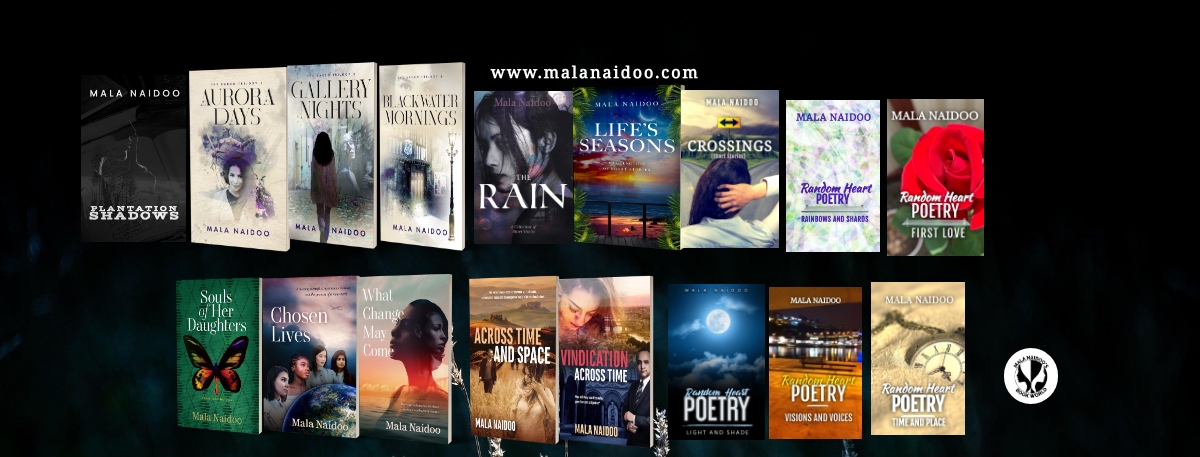

What it means to write in the long shadow of a system that ended, but never fully left.
I grew up in a world where identity was assigned before it was understood.
Apartheid taught us, from childhood, that a person could be categorised, separated and judged according to the colour of their skin. It entered the ordinary rhythms of life, in where one could live, where one could go, which schools one could attend, whom one could know, and which futures seemed possible. Yet for a child, political systems are not initially understood as political systems. They are experienced as the boundaries of everyday life.
Behind every imposed identity there is an individual life teeming with hopes, contradictions, vulnerabilities, humour and dreams.
Looking back, I realise that those formative years taught me that history is not something that exists only in textbooks. History lives inside people. It enters families through stories, silences and memories. It shapes the way parents protect their children, the way grandparents remember another time, and the way a child learns to read what is said, and what is deliberately left unsaid.
South Africa’s transition in 1994 gave writers a new country to describe, but not a blank page. Apartheid had shaped language, land, family, and memory so thoroughly that no post-apartheid author could simply start fresh. Writing after apartheid has meant writing through it; inheriting its unfinished business even while trying to imagine something beyond it.
Much of the internationally known writing from the apartheid years followed a recognisable shape from oppression, resistance, and moral reckoning. Post-apartheid authors have had to decide whether to continue that tradition or break from it. Many chose to break from it, turning toward stories that apartheid-era literature had less room for, more particular to my fiction is where personal and family history fall both inside and outside the frame of political struggle.
To write as a post-apartheid author is to hold two things at once, freedom from a system that dictated so much of what could be said, and responsibility for describing what came after it honestly. The best of this writing doesn’t treat 1994 as an ending, but rather as the start of a much longer, more ambiguous story, one that is still being written.
My early years taught me to notice the spaces between people, the invisible boundaries, the things that remain unsaid, and the resilience beneath apparent ordinariness. The relationship between memory and identity remains complicated.
Most importantly, what remains is that stories matter because people matter.

Identity is layered. We inherit histories we did not choose, yet those histories become part of the way we see the world. We inherit languages, traditions, beliefs, family stories and memories of places. We also inherit the wounds and silences of previous generations.
But inheritance does not have to mean repetition.
To tell a story is to say, I saw this. I remember this. This life mattered.
And perhaps that is what my formative years under apartheid ultimately taught me, not simply how to remember, but why remembering carries a responsibility.
The past cannot be changed. But the stories we choose to tell about it can determine how it is understood by those who come after us.
That is one of the reasons I write.
Is there a narrative that you should write?


You must be logged in to post a comment.